
Understanding Sudden Cardiac Arrest
Sudden Cardiac Arrest (SCA) is a leading cause of death that often occurs without warning. It can affect people of any age, background, or level of health, and survival depends on immediate action.
Prepared communities save lives. When bystanders recognize an emergency, begin CPR, and use an AED, outcomes can change dramatically. Education and access make the difference.
Calah Cares exists to help communities understand, prepare for, and respond confidently to cardiac emergencies.
What Is Sudden Cardiac Arrest?
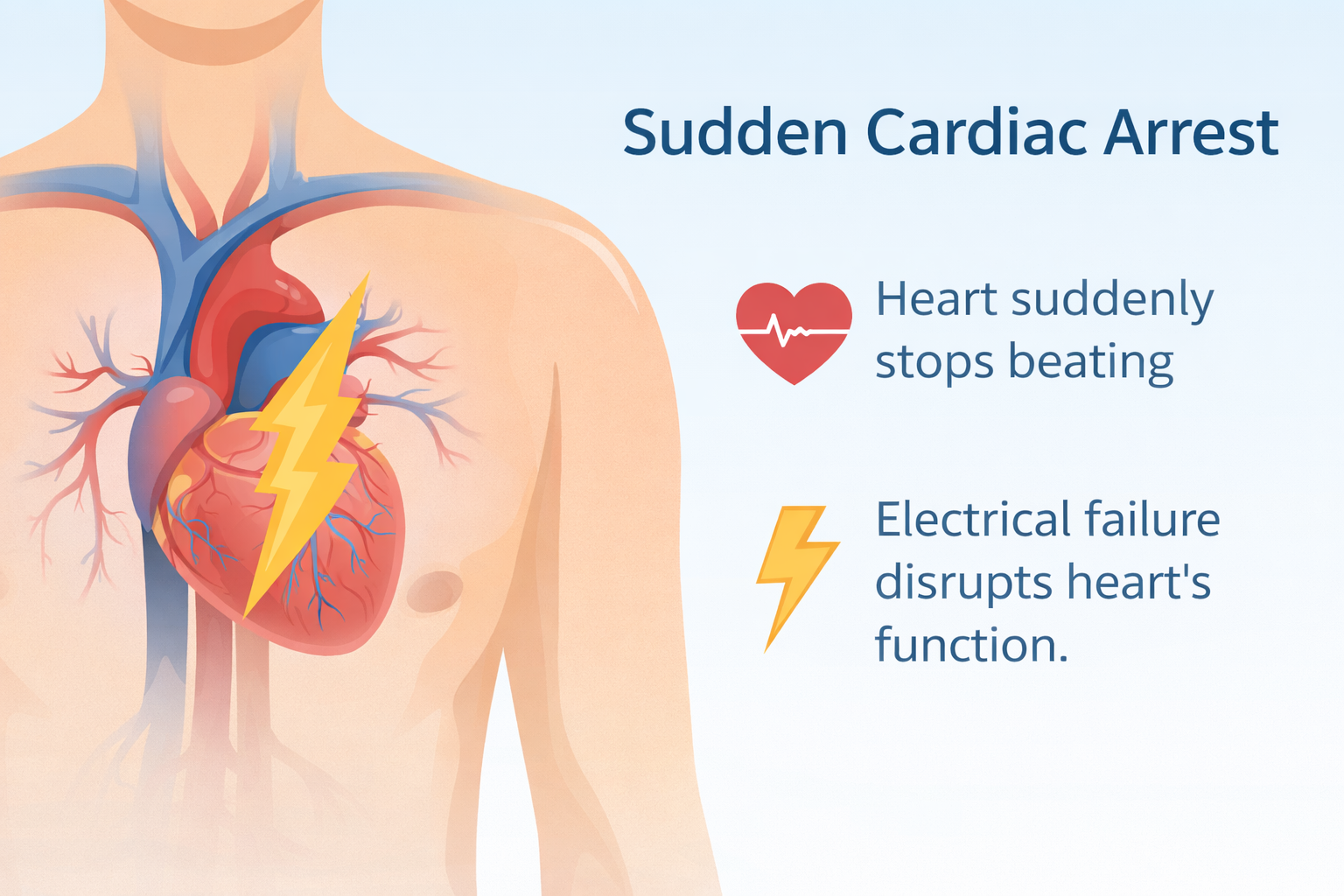
Sudden Cardiac Arrest occurs when the heart unexpectedly stops beating effectively due to an electrical malfunction. Blood flow to the brain and vital organs stops immediately.
It is not the same as a heart attack. A heart attack involves blocked blood flow, while cardiac arrest is an electrical failure of the heart. Without rapid response, loss of consciousness occurs within seconds and survival chances decrease quickly.
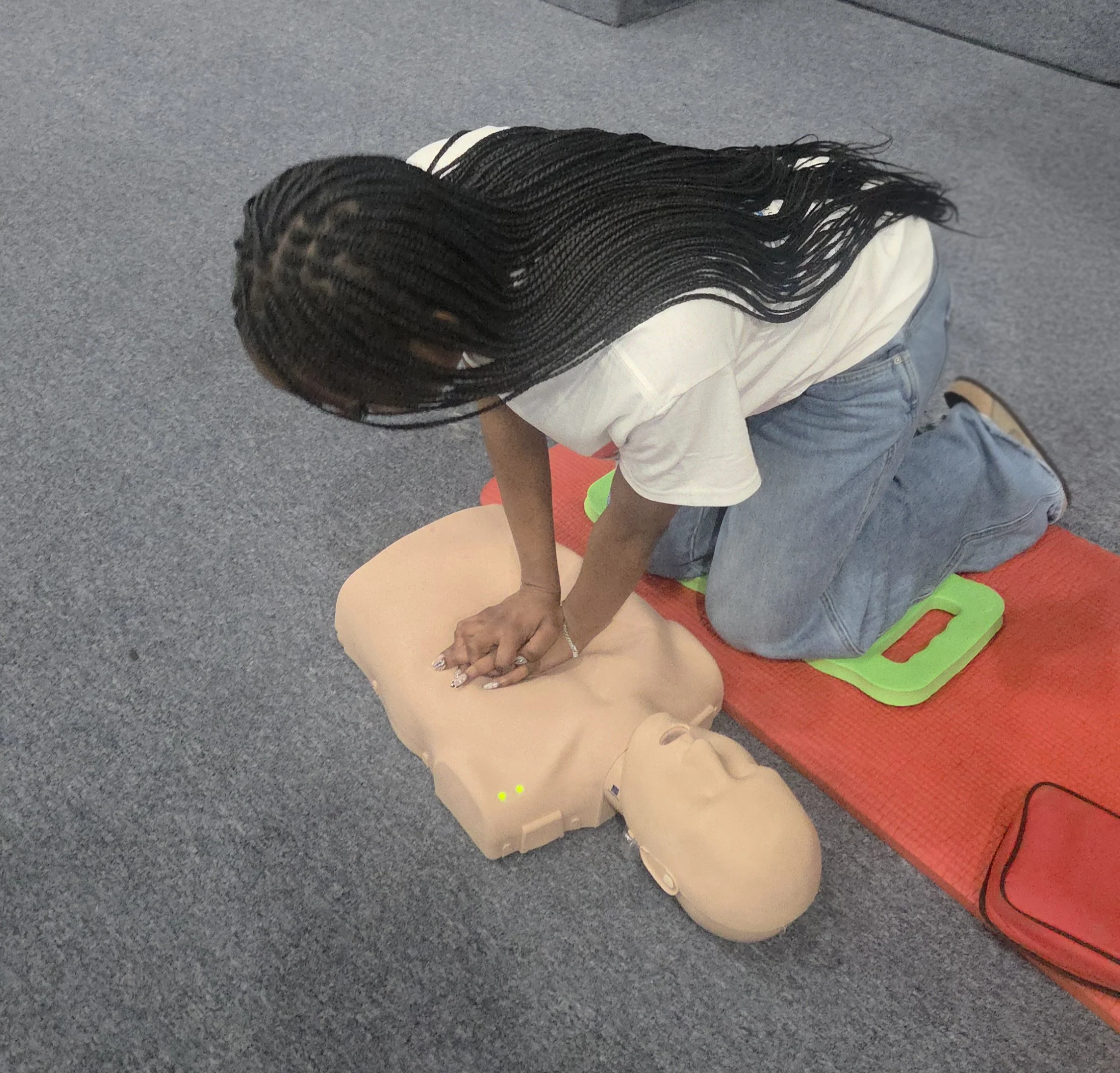
Immediate CPR and the use of an Automated External Defibrillator (AED) can restore a life-sustaining rhythm and dramatically increase survival.
FAST FACTS
Sudden Cardiac Arrest is a leading cause of death, but immediate response can dramatically improve survival.
350,000+ Cardiac Arrests Each Year
More than 350,000 out-of-hospital cardiac arrests occur annually in the United States. Most happen in homes, churches, schools, and community spaces.
Survival Is Time Dependent
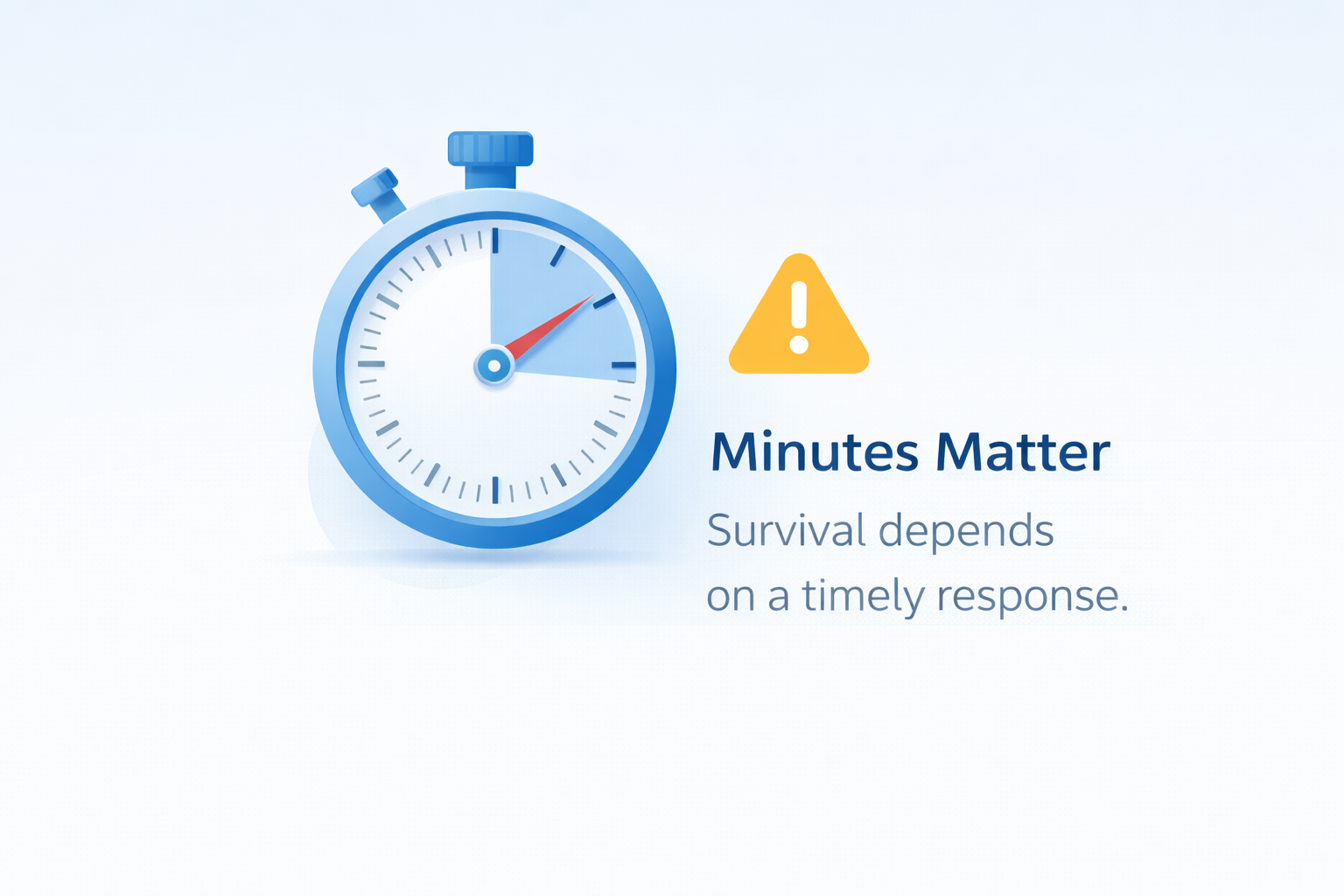
Brain injury can begin within 4-6 minutes without oxygen. Survival decreases by approximately 7-10% for every minute without CPR or defibrillation
Immediate Action Improves Outcomes
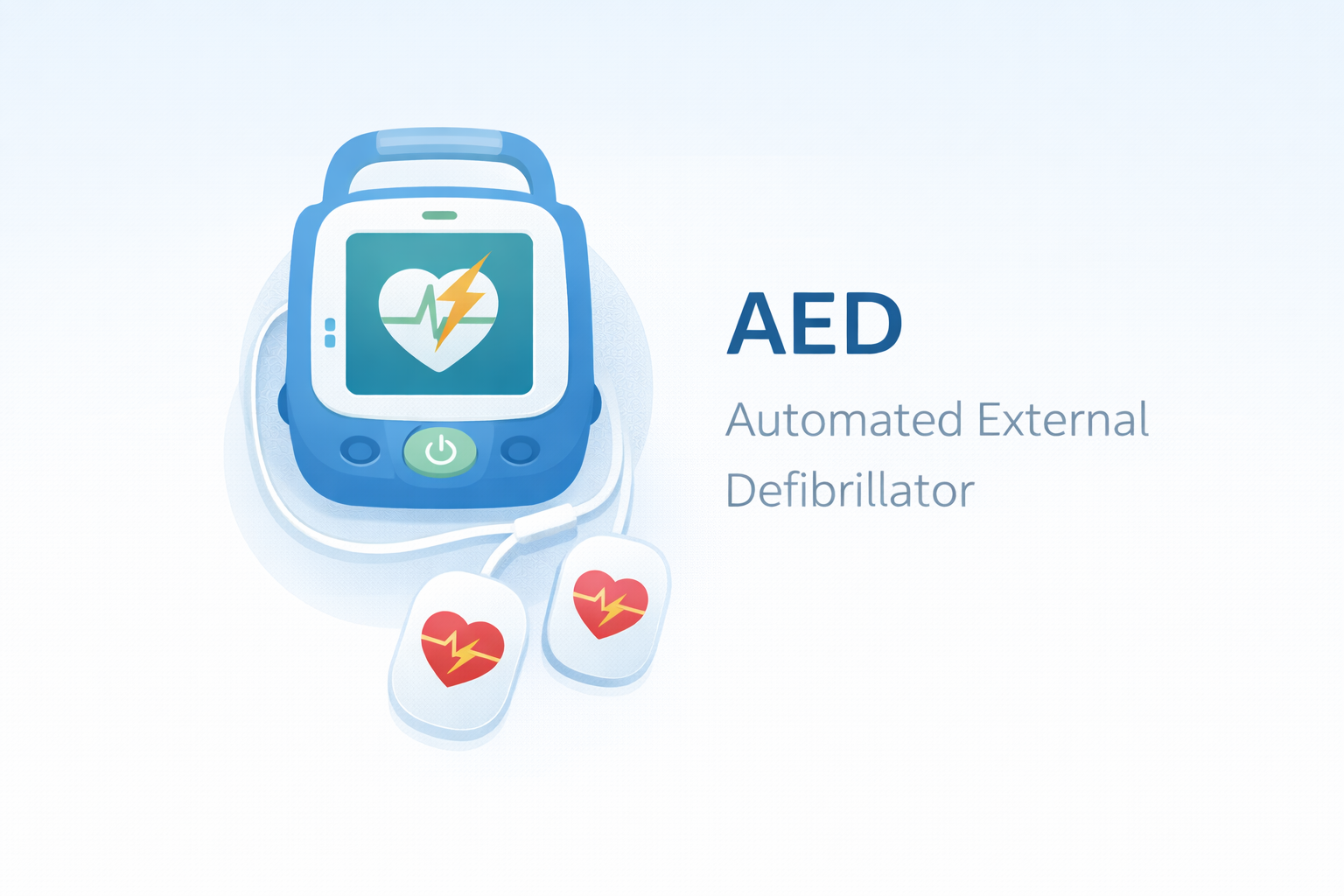
Early CPR and access to an AED significantly increase survival rates. Prepared bystanders are often the critical link before emergency services arrive.
Statistics based on data from the American Heart Association and national cardiac arrest registries.
How Calah Cares Responds
We turn awareness into action by equipping underserved communities across Travis County with the tools, training, and trusted partnerships needed to respond to cardiac emergencies confidently.
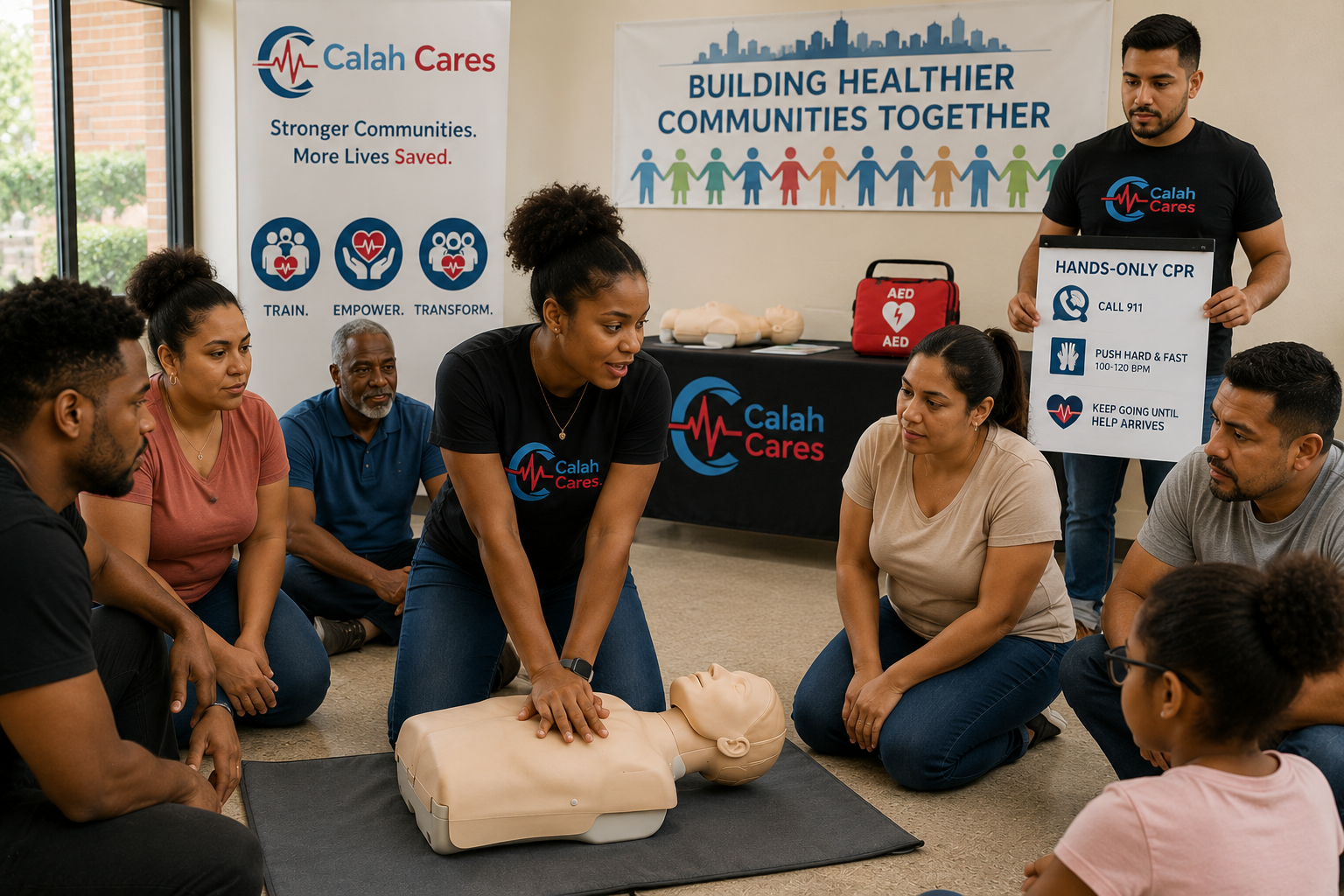
Education & Awareness
Most people who experience Sudden Cardiac Arrest are not in a hospital. They are in a church, a school, a barber shop, a community center, or a family gathering. And in that moment, the most important responder is not a paramedic. It is the person already in the room.
Calah Cares delivers accessible SCA education directly to underserved residents across Travis County, helping community members understand what cardiac arrest looks like, why it happens, and what to do in the critical minutes before EMS arrives. We train everyday people to recognize the signs, call for help, start CPR, and use an AED without hesitation.
Bystander CPR can double or triple the chance of survival. And every community deserves people who are ready to act.
CPR & AED Preparedness
Community Partnerships
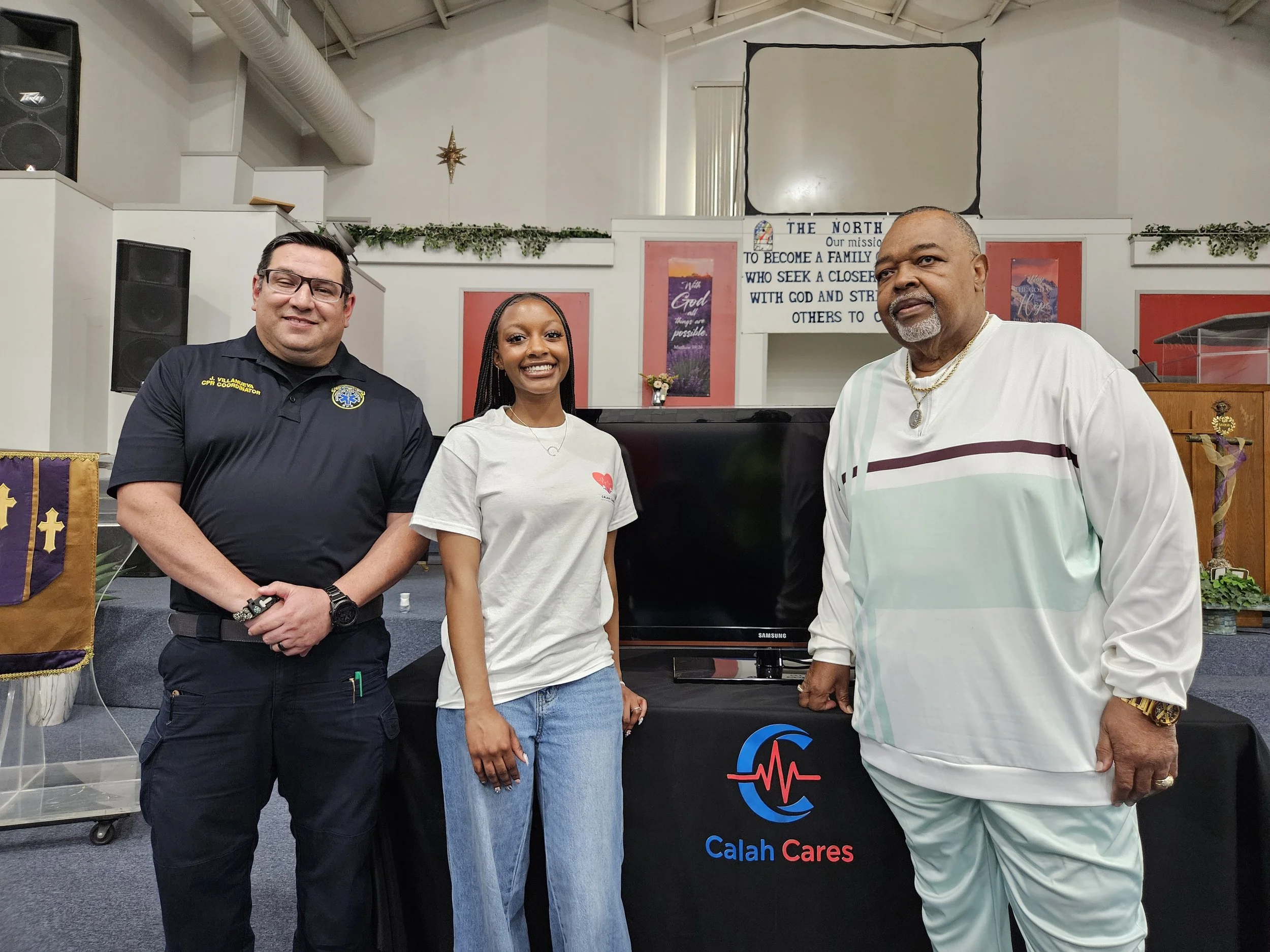
Calah with an ATCEMS community health partner
Cardiac emergencies can happen anywhere people gather. Calah Cares builds partnerships with community spaces of all kinds, including churches, schools, recreation centers, barber shops, community centers, and beyond, to strengthen emergency readiness where it matters most. Through planning, advocacy, and hands-on support, we meet communities where they are across Travis County.